

Navratri is a time of devotion and discipline. Each of the nine days honors a form of Maa Durga. The second day is special, dedicated to Maa Brahmacharini, who embodies penance, wisdom, and devotion.
The festival kicks off with Navratri Sthapana ka Muhurat on Pratipada Tithi. Then, the second day highlights Maa Brahmacharini. She guides devotees toward spiritual strength and self-control.
Get expert guidance for Maa Brahmacharini worship today.”
Who is Maa Brahmacharini?
Brahmacharini combines two words: Brahma (penance, ultimate reality) and Charini (one who practices). Maa Brahmacharini is shown walking barefoot, holding a jap mala in her right hand and a kamandal in her left. Her serene form symbolizes patience and meditation.
She represents dedication and the rewards of austerity. Worshipping her on this day blesses devotees with inner strength and clarity.
Story of Maa Brahmacharini
Hindu scriptures tell us about Maa Parvati’s journey as Brahmacharini. She performed severe tapasya to win over Lord Shiva. She lived on fruits, then leaves, and finally gave up water, penancing for thousands of years. Her unwavering devotion impressed the gods, leading to her union with Lord Shiva.
This story highlights the value of determination, patience, and spiritual discipline.
Bhog for Maa Brahmacharini
On the second day of Navratri, devotees offer sugar and fruits as bhog to her. It’s believed that sugar brings long life, peace in relationships, and family prosperity. Devotees also share prasad with neighbors and relatives as blessings.
Tithi of the Second Day
The second day of Navratri falls on Dwitiya Tithi of Shukla Paksha in the Ashwin month in the Hindu calendar. Devotees fast, chant mantras, and perform puja with flowers, incense, and offerings to Maa Brahmacharini.
Garba and Celebrations
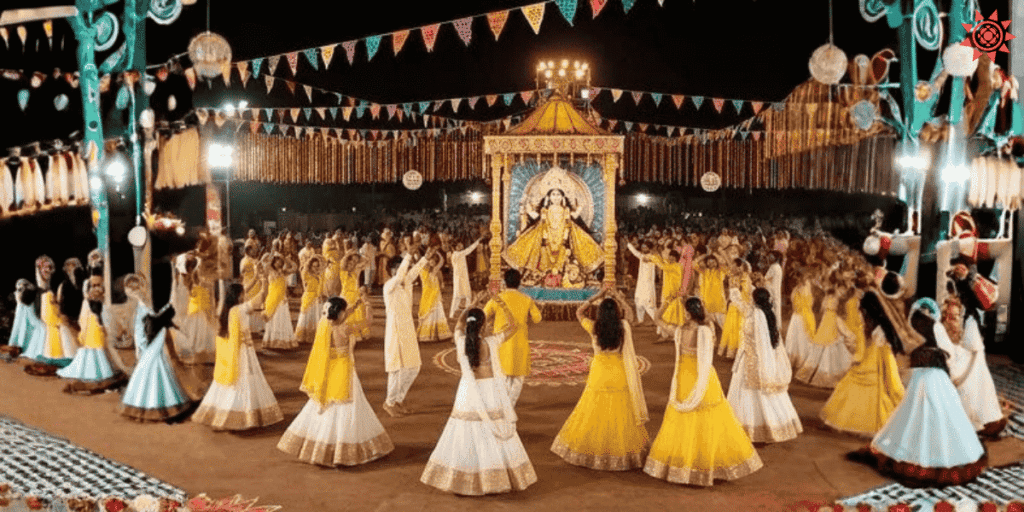
Navratri’s energy shines through Garba and Dandiya. On the second night, devotees perform Garba for Maa Brahmacharini, donning white or yellow attire that symbolizes peace and devotion. The rhythmic dance around the idol reflects unity, joy, and divine blessings.
Benefits of Garba on the Second Day
- Bringing spiritual strength and patience.
- Removes negativity and spreads divine light.
- Blessed with love, harmony, and marital happiness.
- Provides mental peace, focus, and health.
- Helps fulfill desires and pursue moksha.
Benefits of Worshipping Maa Brahmacharini
- Bringing peace, stability, and focus.
- Eases mental stress and confusion.
- Strengthens determination and self-confidence.
- Ensures harmony in families and relationships.
- Fills life with wisdom and patience.
Conclusion
The 2nd day of Navratri celebrates Tapasvini. She teaches us that patience, penance, and devotion bring divine blessings. When devotees ask, “Which day of Navratri?” they should remember this day is about inner strength, discipline, and spiritual growth.
Maa Brahmacharini gives wisdom, long life, and deep peace by offering bhog, chanting mantras, and performing Garba.
“Book a consultation at Prashna Kundli to plan your Navratri puja.”
