A Vedic wedding is a sacred union witnessed by divine cosmic forces, rooted deeply in ancient traditions and astrology. Following this detailed ritual not only sanctifies the bond but also ensures prosperity, harmony, and spiritual growth for the couple. Here is a step-by-step guide highlighting ancient practices and essential mantras to perform a full Vedic wedding puja.
Ganapati Puja and Kalash Sthapana (Invoking Auspiciousness)
The ceremony starts with worshiping Lord Ganesha, the remover of obstacles, invoking his blessings for a smooth wedding. The bride’s and groom’s families place a Kalash (holy pot filled with water and mango leaves) at the wedding altar, symbolizing purity and divine presence.
Mantra:
“ॐ गं गणपतये नमः”
“Om Gam Ganapataye Namaha”
(Invoking Lord Ganesha for success and removal of hurdles.)Planning a Vedic Wedding?
Consult our astrology experts for an auspicious muhurat and personalized wedding rituals as per your kundli.
Mangala Snanam – The Bride’s Purification Bath
The bride takes a sacred bath called Mangala Snanam, sanctifying her body and soul. Vedic mantras invoking Surya (Sun God) and Varuna (Water God) are chanted to purify and bless her.
Mantras:
“ॐ आदित्याय नमः” – “Om Adityaya Namaha” (Salutations to the Sun God)
“ॐ वरुणाय नमः” – “Om Varunaya Namaha” (Salutations to the Water God)
After the bath, the bride dons the wedding attire, symbolizing her readiness.
Kanyadaan – Giving Away the Bride
Kanyadaan is the most sacred ritual, where the bride’s parents present her to the groom, symbolizing the transfer of responsibility and trust. The couple’s hands are joined as sacred fire witnesses this sacred union.
Vara Pooja – Welcoming the Groom
The bride’s family welcomes the groom respectfully, washing his feet and showering him with flowers. This honors his arrival and acceptance into the bride’s family.
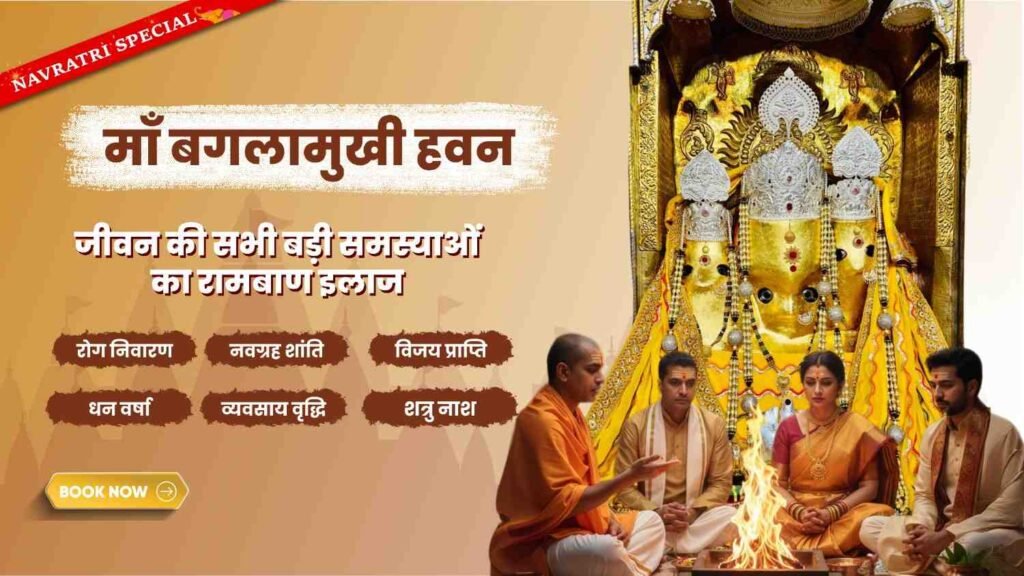
Vivaha Homa – Sacred Fire Ceremony
The priest lights the sacred fire (Agni), the divine witness of the wedding. Agni is invoked as the source of purity and enlightenment. Offerings of ghee, rice, and herbs are made to the fire while chanting mantras to sanctify the vows.
Mantra:
“हवनस्नानं तु महावह्न्यः सर्वदोषनाशनम्”
“Havanasnanaṃ tu mahāvahnyaḥ sarvadoṣanāśanam”
Begin your married life with divine blessings!
Book a Vedic wedding consultation today and align your marriage with cosmic harmony and prosperity.
Mangalsutra Dharanam and Sindoor Daan
The groom ties the Mangalsutra, a sacred necklace, around the bride’s neck, marking her as his life partner. He applies Sindoor (vermilion) on the bride’s hair parting, signifying her marital status and invoking divine protection.
Mangalsutra Mantra:
“माङ्गल्यं तन्तुनैनेन मम जीवनहेतुना।
कण्ठेऽ बद्धानि शुभानि संजीव शरदः शतम्॥”
“Māṅgalyaṁ tantunainena mama jīvanahetunā;
Kaṇṭhe’ baddhāni śubhāni sañjīva śaradaḥ śatam.”
(Mangalsutra tied as the cause of my life; may it grant auspiciousness and longevity.)
Begin your married life with divine blessings!
Book a Vedic wedding consultation today and align your marriage with cosmic harmony and prosperity.
Saptapadi – Seven Sacred Steps and Vows
The couple takes seven steps around the sacred fire, each step symbolizing a sacred vow that binds them for life. The groom leads with his right foot, and the priest recites mantras blessing their journey.
Sample Mantras for Each Step:
Step 1: “May this step lead us to acquire pure and nourishing food.”
Step 2: “May this step bestow strength, courage, and patience.”
Step 3: “May this step bring wealth through righteous means.”
Step 4: “May this step bring happiness and mutual understanding.”
Step 5: “May this step bless us with virtuous and noble children.”
Step 6: “May this step bring togetherness in all seasons and times.”
Step 7: “May this step create a lifelong friendship and companionship.”
After Step 7, the couple is declared husband and wife, symbolizing the completeness of their bond.
Havan and Mantra Chanting
Throughout the ceremony, the priest chants Vedic mantras invoking the blessings of gods like Vishnu for preservation, Saraswati for wisdom, and Lakshmi for prosperity. Offerings are placed in the fire as sacred symbols of prayers.
Ashirvada (Blessings) from Elders
The elders and guests shower blessings with flowers and prayers, wishing the couple happiness, health, and long life. This communal sharing of positive energy strengthens familial bonds.
10. Purnahuti – Final Offering
In conclusion, the priest offers the Purnahuti, the final oblation to the fire, marking the closing of the ceremony and invoking lasting blessings from the divine.
Vedic weddings are rich in symbolism, each ritual honoring spiritual principles and cosmic harmony. Following these ancient steps and mantras aligns the couple with divine forces, paving the way for a prosperous, joyful, and blessed married life.